

Nestled just north of downtown Durham, Duke Park stands as one of the city’s most cherished neighborhoods—a community where towering oaks shade charming homes, laughter fills a beloved local park, and every block hints at decades of stories. For both new arrivals and longtime residents, exploring Duke Park’s rich history reveals how this enclave became an enduring jewel in Durham’s urban tapestry.
The Roots of Duke Park: Early Settlements and the Duke Legacy
The origins of Duke Park can be traced to the early twentieth century, a time when Durham was a rapidly growing tobacco and textile hub. The land that makes up today’s neighborhood was once rolling farmland and woodlots, sitting just beyond the city’s original core. As Durham’s industries boomed, so did the demand for residential development.
Duke Park was named to honor the Duke family, particularly Washington Duke and his son, James B. Duke—names synonymous with Durham’s transformation. The Dukes were not just industrialists; they were philanthropists with a profound impact on the city’s civic and educational landscape. While most may instantly think of Duke University, the family’s influence stretched far beyond the campus and shaped neighborhoods like this one.
Laying Foundations: The Formation and Growth of Duke Park
By the 1920s, developers recognized the area’s potential. Wide avenues such as West Knox Street and Acadia Street were plotted, designed to wind gracefully beneath the leafy canopies. Duke Park itself—an expansive, centrally-located city park—became the neighborhood’s green heart and the source of its name. With amenities including rolling lawns and playgrounds, the park quickly drew families from around Durham and shaped the neighborhood’s identity.
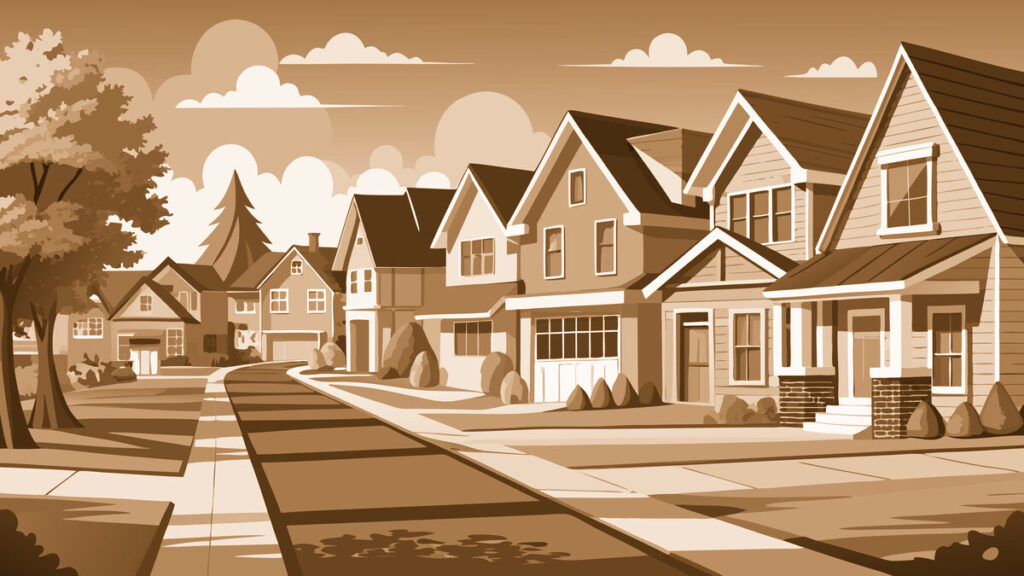
Homes began to spring up along Markham Avenue, Berkeley Street, and Glendale Avenue. Architectural styles from this era—Craftsman bungalows, stately Colonial Revivals, and Tudor-inspired cottages—remain a hallmark of the neighborhood today. These early residences radiated comfort and sturdiness, built for tobacco executives, university staff, and blue-collar workers alike, creating the kind of community Durham continues to be known for.
Historical Milestones: Duke Park Through the Decades
Duke Park’s landscape shifted alongside Durham’s fortunes. In the mid-20th century, as new highways like I-85 were constructed, parts of northern Durham became more accessible, bringing modest growth and change. Throughout the 1960s and ‘70s, the neighborhood weathered urban changes that saw parts of Durham lose historic homes and green spaces, but Duke Park’s core remained intact—thanks in part to active residents who advocated for preservation and community enhancements.
- The 1980s and ‘90s witnessed a wave of revitalization, as families and young professionals recognized the charm of the area’s original homes.
- The Duke Park Neighborhood Association was formed, one of Durham’s oldest and most active, organizing everything from social gatherings to clean-up days and advocacy work.
- Annual traditions such as the Duke Park Neighborhood Bike Parade and Fourth of July celebrations cemented a strong sense of belonging among residents.
Landmarks and Hidden Gems: What Makes Duke Park Unique
Walking through Duke Park today is like stepping through a living history museum, with each corner offering a story. A few highlights include:
- Duke Park (the park itself): Spanning over 17 acres, this city park is more than just a patch of green. Its meandering foot trails, iconic stone bridge, and shaded playground are local treasures. Picnic shelters and open lawns have seen decades of birthday parties, community concerts, and quiet afternoons.
- The Stone Bridge: Built alongside the original park, this rustic bridging structure over Ellerbe Creek stands as a testament to classic park design and continues to be a favorite spot for photos.
- Ellerbe Creek Trail: This natural corridor winds through the neighborhood, enabling residents to immerse themselves in the city’s urban wilds and connect with other greenways stretching into downtown and beyond.
- Architectural Heritage: The original houses lining Acadia, Monmouth, and Englewood Streets stand as time capsules—each porch and gable offering a glimpse into nearly a century of design and craftsmanship.
Change and Continuity: Duke Park in the 21st Century
Over the years, Duke Park has evolved while remaining rooted in community spirit. The area’s proximity to downtown and Ninth Street has made it a favorite for newcomers, and a fresh wave of renovations has lovingly restored many historic houses. Yet, there’s still an appreciation for the slow pace and neighborly rituals that have always defined the area:
- Families tend to community gardens and street medians.
- Neighbors gather for porch chats or impromptu block parties.
- Volunteer days help maintain the park and creek, passing along the tradition of stewardship to the next generation.
Institutions like the Community Montessori School on W. Knox Street and vibrant faith communities provide further anchors for Duke Park’s diverse residents.
Why Duke Park Endures: Heritage and Heart
Ask any resident about what makes Duke Park special, and beyond the stately trees and beautiful homes, you’ll hear about friendships forged over decades, the trust that comes from shared stewardship, and the pride in belonging to a living, breathing bit of Durham history.
Duke Park is more than just a neighborhood; it is a testament to the city’s resilience and generosity. While the world rushes past on I-85 and downtown continues its evolution, Duke Park remains a calm, green sanctuary—forever vibrant, forever rooted in Durham’s story.